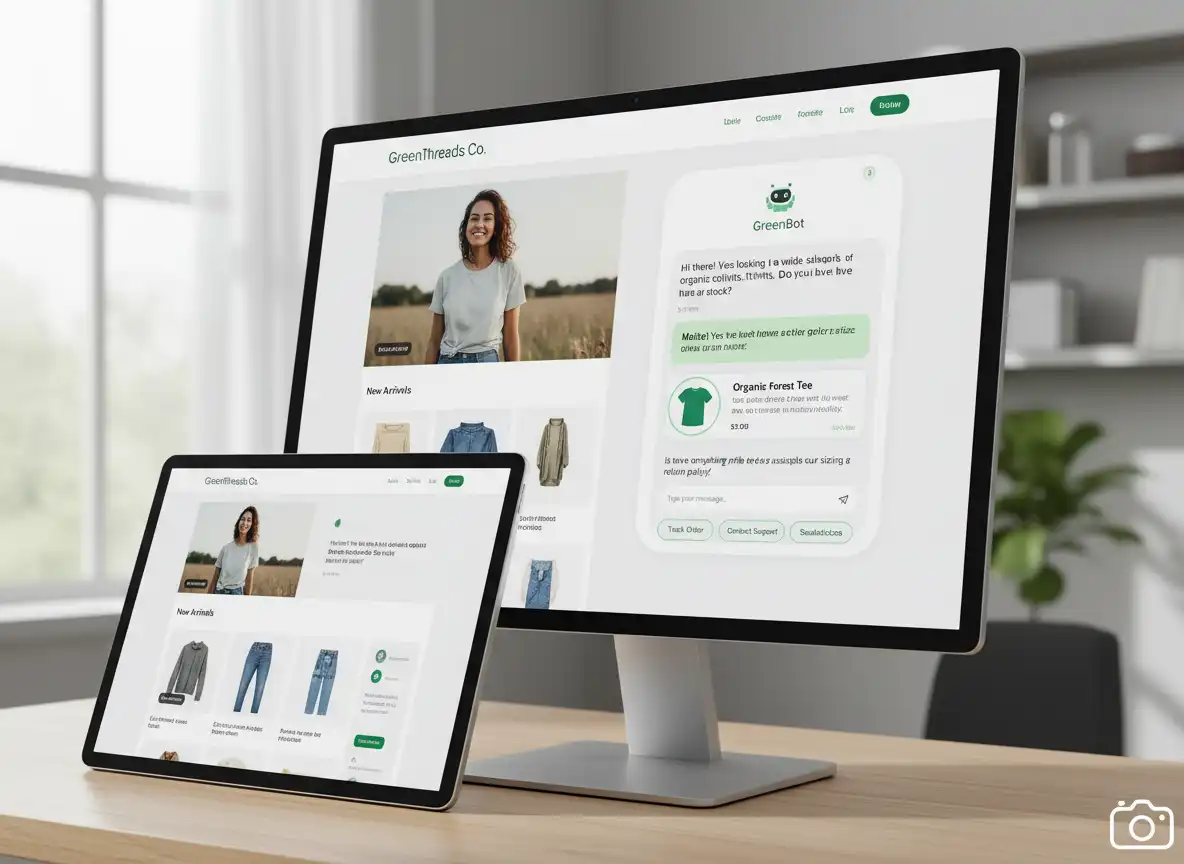
Running a small business in 2026 often means handling many jobs at once. You may be responsible for sales, marketing, customer support, content, administration, research, and planning. This is where AI for small business can make a real difference.
AI tools can help small business owners complete repetitive tasks faster, create content, respond to customers, organize information, and automate everyday workflows. You do not need to be a programmer or AI expert to get started.
In this guide, you will learn:
- What AI can do for a small business
- The best AI tools for small business in 2026
- How businesses use AI for marketing, sales, content, and customer support
- How AI automation works
- How to choose the right AI tools
- Common mistakes to avoid when using AI
Let’s get started.
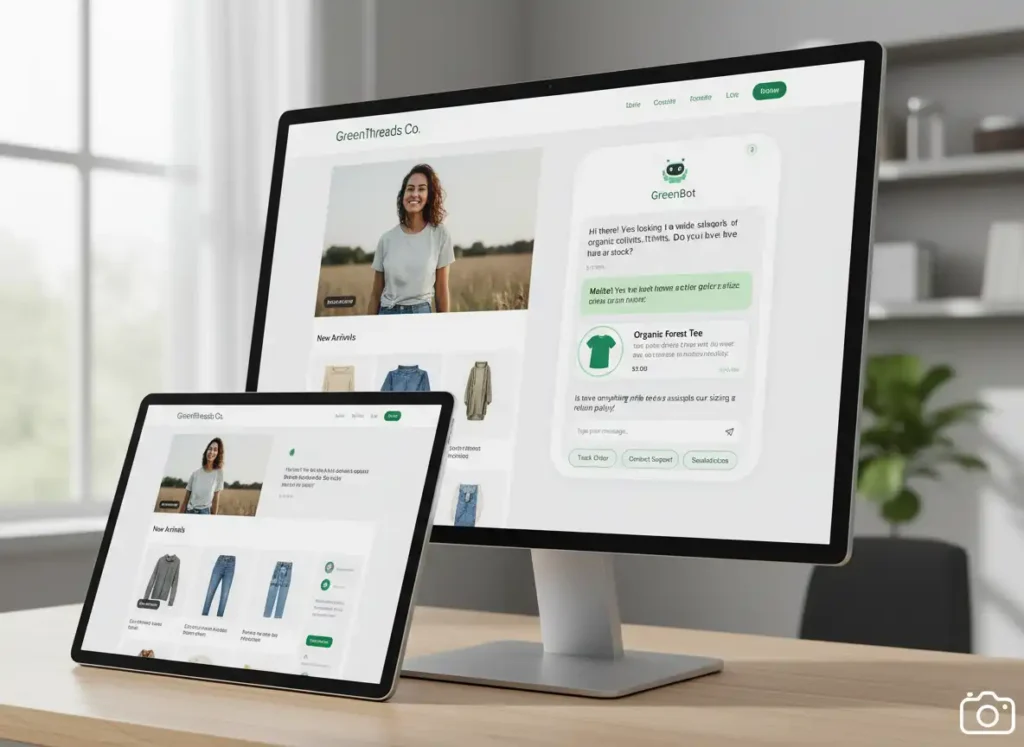
What Is AI for Small Business?
AI for small business means using artificial intelligence tools and software to help with everyday business tasks.
These tools can understand text, generate content, analyze information, answer questions, summarize documents, assist with customer service, and automate repetitive workflows.
For example, a small business owner could use AI to:
- Write customer emails
- Create social media posts
- Draft product descriptions
- Summarize meetings
- Research competitors
- Answer frequently asked questions
- Organize leads
- Create reports
- Automate repetitive tasks
AI does not have to replace employees or human decision-making. For many small businesses, its biggest benefit is helping people spend less time on repetitive work.
What Can AI Do for a Small Business?
AI can be useful across many areas of a small business.
Marketing
AI can help create social media captions, email campaigns, advertisements, blog ideas, and marketing plans. AI can help small businesses with keyword research, content ideas, social media posts, email campaigns, and other marketing activities. You can also explore our guide to AI tools for digital marketing to find tools specifically designed for marketing tasks.
Content Creation
AI writing and design tools can help create first drafts of articles, product descriptions, presentations, images, and other marketing materials. If content creation is an important part of your business, our guide to AI text generators explains how these tools can help create and improve written content.
Customer Service
AI chatbots and helpdesk tools can answer common questions and help organize customer requests.
Sales
AI can help summarize customer conversations, organize leads, personalize messages, and support follow-up activities.
Administration
AI can assist with reports, documents, meeting notes, data organization, and other routine office work.
Research
Businesses can use AI to summarize information, compare options, brainstorm ideas, and perform preliminary market research.
Automation
AI-powered automation tools can connect different business applications and trigger actions automatically.
The key is to identify tasks that are repetitive, time-consuming, or easy to standardize.
Why AI Is Useful for Small Businesses
Small businesses usually have limited time and resources. One person may perform several different roles.
AI tools can help by:
- Saving time on repetitive tasks
- Reducing manual work
- Creating content more quickly
- Improving response times
- Helping organize business information
- Supporting marketing activities
- Automating routine workflows
- Allowing owners to focus on higher-value work
For example, instead of manually copying information from an online form into a spreadsheet, an automation tool can transfer the information automatically.
Similarly, an AI assistant can help prepare an email or proposal instead of requiring the business owner to start from a blank page.
The goal is not to automate everything. The goal is to use AI where it provides a practical benefit.
Best AI Tools for Small Business in 2026
There are hundreds of AI tools available, but you do not need dozens of subscriptions.
The right tools depend on the type of business and the tasks you want to improve.
Here are several popular categories and tools to consider.
Best AI Tools for Small Business: Comparison Table
Here is a quick comparison of the AI tools covered in this guide. The right choice depends on the task you want to automate, the apps your business already uses, and your budget.
| AI Tool | Best For | Main Use | Ease of Use | Best For |
|---|---|---|---|---|
| ChatGPT | Everyday business tasks | Writing, research, ideas, analysis | ⭐⭐⭐⭐⭐ | Solopreneurs & small teams |
| Zapier | Workflow automation | Connecting apps and automating tasks | ⭐⭐⭐⭐ | Businesses using multiple apps |
| HubSpot AI | Sales & CRM | Leads, marketing, customer management | ⭐⭐⭐⭐ | Growing businesses |
| Jasper | Marketing content | Blog, ads, landing pages, copy | ⭐⭐⭐⭐ | Content-heavy businesses |
| Freshdesk AI | Customer support | Tickets, replies, support automation | ⭐⭐⭐⭐ | Online & service businesses |
| Google Gemini | AI assistance | Writing, research, productivity | ⭐⭐⭐⭐⭐ | Google Workspace users |
| Canva AI | Marketing & design | Social posts, graphics, presentations | ⭐⭐⭐⭐⭐ | Small businesses doing their own marketing |
Which AI Tool Should You Choose?
You don’t necessarily need all of these tools.
- For general business tasks: ChatGPT or Google Gemini
- For workflow automation: Zapier
- For sales and CRM: HubSpot AI
- For marketing content: Jasper
- For customer support: Freshdesk AI
- For social media and visual content: Canva AI
A good approach is to start with one tool that solves a specific business problem. Once you know it saves time or improves your workflow, you can add another tool when you actually need it.
For example, a small online business might start with ChatGPT for content and customer replies, Canva for marketing graphics, and Zapier when it is ready to automate repetitive tasks.
The goal is not to collect as many AI tools as possible. It is to build a simple set of tools that makes everyday business work easier.
1. ChatGPT: General Business AI Assistant
ChatGPT can act as a general-purpose AI assistant for many small business tasks.
You can use it to:
- Draft emails
- Create marketing ideas
- Write social media posts
- Prepare proposals
- Brainstorm business ideas
- Summarize documents
- Create outlines
- Develop customer-service responses
Best for: Solopreneurs, freelancers, startups, and small businesses that need a general AI assistant.
The main advantage is flexibility. Instead of using a separate tool for every small task, you can use one AI assistant for many different types of work.
2. Zapier: AI Workflow Automation
Zapier connects different applications and allows businesses to automate workflows without writing code.
For example, a business could create a workflow that:
- Saves new leads to Google Sheets
- Sends a follow-up email
- Creates a task in a project-management application
- Connects website forms with a CRM
- Moves information between business applications
Best for: Small businesses that use several different apps.
Automation becomes particularly useful when the same task is performed repeatedly.
3. HubSpot AI: Sales and Marketing
HubSpot combines CRM, marketing, sales, and customer-service features.
Its AI capabilities can assist with tasks such as:
- Email personalization
- Content creation
- Lead management
- Customer relationship management
- Marketing activities
- Sales workflows
Best for: Growing small businesses that need customer and sales management in one system.
A CRM can become more useful as a business starts dealing with larger numbers of customers and leads.
4. Jasper: AI Content Creation
Jasper is focused on AI-assisted content creation and marketing.
It can help businesses create:
- Blog content
- Marketing copy
- Advertisement copy
- Landing-page content
- Product and promotional content
Best for: Businesses that regularly create marketing content.
AI-generated content should still be reviewed and edited by a person before publishing, particularly when accuracy, brand voice, or customer trust is important.
5. Freshdesk AI: Customer Support
Freshdesk provides customer-support and helpdesk features, including AI capabilities.
AI can help businesses with:
- Frequently asked questions
- Customer-service responses
- Ticket management
- Support automation
- Faster handling of routine requests
Best for: Online stores and service businesses that receive regular customer questions.
For simple questions, automation can provide quick answers while more complicated issues can be passed to a human support representative.
6. Google Gemini: AI Assistance and Research
Google Gemini can help with writing, brainstorming, research, summarization, and other everyday tasks.
Small businesses can use an AI assistant such as Gemini to:
- Brainstorm marketing ideas
- Draft emails
- Summarize information
- Generate content ideas
- Analyze text
- Assist with everyday business tasks
Best for: Businesses already using Google services and looking for a general-purpose AI assistant.
7. Canva AI: Marketing and Design
Small businesses often need graphics for social media, presentations, advertisements, and other marketing materials.
Canva’s AI-powered features can help with:
- Design ideas
- Social media graphics
- Presentations
- Marketing visuals
- Image generation and editing
Best for: Small businesses that need marketing designs without hiring a full-time designer.
How Small Businesses Use AI Automation
AI automation is one of the most practical applications of AI for small businesses.
Instead of manually performing the same process every time, software can trigger the next step automatically.
Example 1: Online Store
An online store could use automation to:
- Respond to common customer questions
- Send order notifications
- Create product-description drafts
- Organize customer information
- Send follow-up messages
The business owner can then spend more time on products, marketing, and customer relationships.
Example 2: Digital Agency
A small digital agency could use AI to:
- Draft proposals
- Create content ideas
- Summarize client meetings
- Prepare reports
- Schedule social media content
- Organize follow-up tasks
This can reduce the amount of repetitive administrative work.
Example 3: Local Service Business
A local service business such as a consultant, repair company, or professional service provider could use AI to:
- Respond to basic inquiries
- Schedule appointments
- Send reminders
- Draft invoices
- Prepare customer emails
- Organize leads
Automation can be especially useful when the same questions and tasks occur every day.
AI for Small Business Marketing
Marketing is one area where small businesses can benefit from AI without building complicated systems.
AI tools can help with:
- Keyword and topic ideas
- Blog outlines
- Social media posts
- Email campaigns
- Advertisement ideas
- Product descriptions
- Marketing copy
- Customer personas
For example, a business owner could ask an AI assistant to create ten social media ideas for a particular product and then select and edit the most useful ideas.
Human review remains important because AI-generated marketing content can contain errors or sound generic.
Best AI for Small Business: How to Choose
There is no single best AI tool for every small business.
The right choice depends on what you actually need.
Before paying for an AI tool, ask:
1. What task takes the most time?
Start with one repetitive or time-consuming task.
2. Does the tool solve that problem?
Do not choose a tool simply because it has many AI features.
3. Does it work with your existing apps?
Integration can be important if your business already uses email, spreadsheets, CRM software, accounting tools, or other applications.
4. Is it affordable?
Look at the total monthly cost rather than just the advertised starting price.
5. Is it easy to use?
A powerful tool is not useful if nobody on your team uses it.
6. Does it protect business information?
Before uploading customer, financial, confidential, or sensitive information, review the tool’s privacy and data-handling policies.
Is AI Automation Expensive?
AI automation does not necessarily require a large budget.
Many AI tools offer free plans, trials, or entry-level subscriptions. Some businesses can start with one general-purpose AI assistant and add specialized tools only when they are needed.
For example, a small business could start with:
Step 1: One general AI assistant
Step 2: An automation platform when repetitive workflows become a problem
Step 3: Specialized marketing, CRM, or customer-support tools as the business grows
This approach helps avoid paying for multiple tools that are rarely used.
Common AI Mistakes Small Businesses Should Avoid
AI can be useful, but there are several mistakes worth avoiding.
Automating Everything
Not every business process needs automation. Start with repetitive tasks where automation clearly saves time.
Buying Too Many AI Tools
Having ten subscriptions does not necessarily make a business more productive.
Start with the tools that solve your most important problems.
Publishing AI Content Without Checking It
AI can make factual or contextual mistakes. Review important content before publishing or sending it to customers.
Giving AI Too Much Responsibility
AI can assist with decisions, but important financial, legal, customer, and business decisions may require human review.
Ignoring Data Privacy
Do not automatically upload confidential customer or business information into an AI service. Understand how the service handles the information first.
How to Start Using AI in a Small Business
If you are new to AI, keep the process simple.
Step 1: List repetitive tasks
Write down tasks you perform every week.
Step 2: Choose one problem
Pick the task that consumes the most time or causes the most repetitive work.
Step 3: Find an appropriate AI tool
Look for a tool designed for that specific task.
Step 4: Test it
Use a free plan or trial if available.
Step 5: Measure the result
Check whether the tool actually saves time or improves your workflow.
Step 6: Expand gradually
Once one workflow works well, look for another process that could benefit from AI.
This is usually more practical than trying to transform the entire business at once.
The Future of AI for Small Business
AI tools are becoming easier for non-technical users to access and use.
Small businesses can increasingly use AI for content creation, customer support, marketing, research, productivity, sales, and automation without building their own AI systems.
The important change is that AI is moving from being a specialized technology to becoming part of everyday business software.
However, human judgment will remain important. Businesses still need people to understand customers, make decisions, check important information, and maintain relationships.
The most useful approach is often a combination of AI assistance and human expertise.
Frequently Asked Questions
What is the best AI for a small business?
There is no single best AI tool for every business. A general-purpose assistant such as ChatGPT or Gemini can be useful for everyday tasks, while specialized tools may be better for automation, CRM, marketing, or customer support.
How can small businesses use AI?
Small businesses can use AI for marketing, content creation, customer support, sales, research, administration, productivity, and workflow automation.
Can AI automate a small business?
AI can automate many repetitive business tasks, but it should not be expected to run an entire business without human oversight. Start by automating specific workflows that are repetitive and easy to standardize.
Is AI expensive for small businesses?
Not necessarily. Many AI services offer free plans, trials, or affordable entry-level subscriptions. Businesses can start with one tool and add more as their needs grow.
Can a small business use AI without technical knowledge?
Yes. Many modern AI tools are designed for non-technical users. You can often start by using a simple AI assistant or no-code automation platform.
What is AI automation for small business?
AI automation means using AI-powered software and connected applications to perform repetitive tasks with less manual intervention. Examples include lead follow-ups, customer support, content workflows, and transferring information between business applications.
Final Thoughts
AI for small business is no longer limited to large organizations with expensive technology teams.
Small business owners, freelancers, startups, and solopreneurs can use AI tools to save time, create content, support customers, organize information, and automate repetitive tasks.
You do not need to automate everything at once.
Start with one problem that takes too much time. Find an appropriate AI tool, test it, review the results, and expand gradually if it provides a real benefit.
The best AI strategy for a small business is not simply using more AI tools. It is using the right tools for the right tasks while keeping human judgment in the process.
Explore more beginner-friendly AI tutorials and AI tool guides on AI Tools Info.
AI Agents: The Definitive Guide – Design, Deployment, and Evaluation for Production (Full Colour Indian Reprint)
₹2,500.00 (as of October 11, 2026 13:13 GMT +00:00 – More infoProduct prices and availability are accurate as of the date/time indicated and are subject to change. Any price and availability information displayed on [relevant Amazon Site(s), as applicable] at the time of purchase will apply to the purchase of this product.)
Safe Minds, Smarter Machines
₹313.00 (as of October 11, 2026 13:13 GMT +00:00 – More infoProduct prices and availability are accurate as of the date/time indicated and are subject to change. Any price and availability information displayed on [relevant Amazon Site(s), as applicable] at the time of purchase will apply to the purchase of this product.)
Tiny Experiments: How to Live Freely in a Goal-Obsessed World
₹319.00 (as of October 11, 2026 13:13 GMT +00:00 – More infoProduct prices and availability are accurate as of the date/time indicated and are subject to change. Any price and availability information displayed on [relevant Amazon Site(s), as applicable] at the time of purchase will apply to the purchase of this product.)
AGI Chronicles
₹1,985.00 (as of October 11, 2026 13:13 GMT +00:00 – More infoProduct prices and availability are accurate as of the date/time indicated and are subject to change. Any price and availability information displayed on [relevant Amazon Site(s), as applicable] at the time of purchase will apply to the purchase of this product.)