Artificial Intelligence (AI) is one of the most powerful technologies shaping the modern world. From chatbots to self-driving cars, AI is transforming how we live, work, and interact with machines.In this guide we will see what Is Artificial Intelligence?
In simple terms, Artificial Intelligence (AI) refers to machines or software that can perform tasks that typically require human intelligence—such as learning, problem-solving, decision-making, and understanding language. One article from IBM may be read here
What is Artificial Intelligence?
Artificial Intelligence is a branch of computer science focused on creating smart systems that can think, learn, and adapt like humans.
Instead of being explicitly programmed for every task, AI systems:
- Learn from data
- Recognize patterns
- Make decisions automatically
For example:
- Netflix recommending movies
- Google Maps suggesting routes
- ChatGPT answering questions
These are all powered by AI.

How Does AI Work?
AI works by combining data, algorithms, and computing power.
Here’s a simple breakdown:
1. Data Collection
AI systems collect large amounts of data (text, images, videos, etc.)
2. Processing & Learning
Using techniques like machine learning, AI analyzes patterns in data.
3. Decision Making
The system uses learned patterns to make predictions or decisions.
4. Continuous Improvement
AI improves over time as it processes more data.
Types of Artificial Intelligence
1. Narrow AI (Weak AI)
- Designed for specific tasks
- Examples: Siri, Alexa, recommendation engines
- Most AI today falls into this category
2. General AI (Strong AI)
- Can perform any intellectual task like humans
- Still theoretical (not yet achieved)
Key Technologies Behind AI
Machine Learning (ML)
AI learns from data without being explicitly programmed.
Deep Learning
Uses neural networks to process complex data like images and speech.
Natural Language Processing (NLP)
Helps machines understand and respond to human language.
Computer Vision
Allows machines to “see” and interpret images.
Real-Life Applications of AI
AI is everywhere today. Here are some common use cases:
1. Healthcare
- Disease diagnosis
- Drug discovery
2. Finance
- Fraud detection
- Automated trading
3. E-commerce
- Product recommendations
- Chatbots
4. Transportation
- Self-driving cars
- Traffic prediction
5. Education
- Personalized learning
- AI tutors
Benefits of Artificial Intelligence
- Automates repetitive tasks
- Improves accuracy and efficiency
- Provides data-driven insights
- Enhances user experience
- Works 24/7 without fatigue
AI helps businesses save time, reduce costs, and make smarter decisions.
Limitations of AI
Despite its power, AI has some drawbacks:
- High development cost
- Requires large data sets
- Lack of human creativity
- Ethical and privacy concerns
Future of Artificial Intelligence
The future of AI is incredibly promising.
We are seeing rapid growth in:
- Generative AI (content creation)
- AI agents and automation
- Smart assistants
- Robotics
Experts believe AI will continue to transform industries and create new opportunities across the globe.
Learn more on AI Tools here
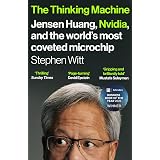
The Thinking Machine: Jensen Huang, Nvidia, and the World’s Most Coveted Microchip
₹486.00 (as of October 11, 2026 13:13 GMT +00:00 – More infoProduct prices and availability are accurate as of the date/time indicated and are subject to change. Any price and availability information displayed on [relevant Amazon Site(s), as applicable] at the time of purchase will apply to the purchase of this product.)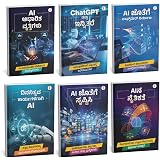
AI for Everyone (Kannada) – Set of 6 Books
₹949.05 (as of October 11, 2026 13:13 GMT +00:00 – More infoProduct prices and availability are accurate as of the date/time indicated and are subject to change. Any price and availability information displayed on [relevant Amazon Site(s), as applicable] at the time of purchase will apply to the purchase of this product.)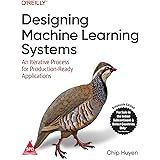
Designing Machine Learning Systems: An Iterative Process for Production-Ready Applications (Grayscale Indian Edition)
₹1,600.00 (as of October 11, 2026 13:13 GMT +00:00 – More infoProduct prices and availability are accurate as of the date/time indicated and are subject to change. Any price and availability information displayed on [relevant Amazon Site(s), as applicable] at the time of purchase will apply to the purchase of this product.)
Designing AI Data Centers: Exploring AI factories through advanced computing, infrastructure design, sustainability, and autonomous systems (English Edition)
₹1,399.00 (as of October 11, 2026 13:13 GMT +00:00 – More infoProduct prices and availability are accurate as of the date/time indicated and are subject to change. Any price and availability information displayed on [relevant Amazon Site(s), as applicable] at the time of purchase will apply to the purchase of this product.)